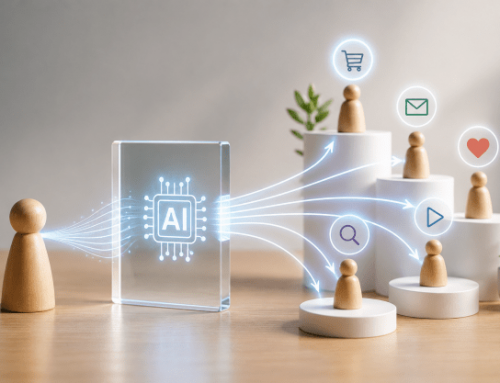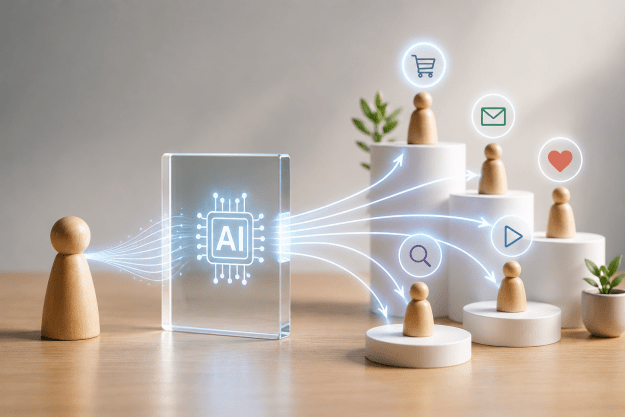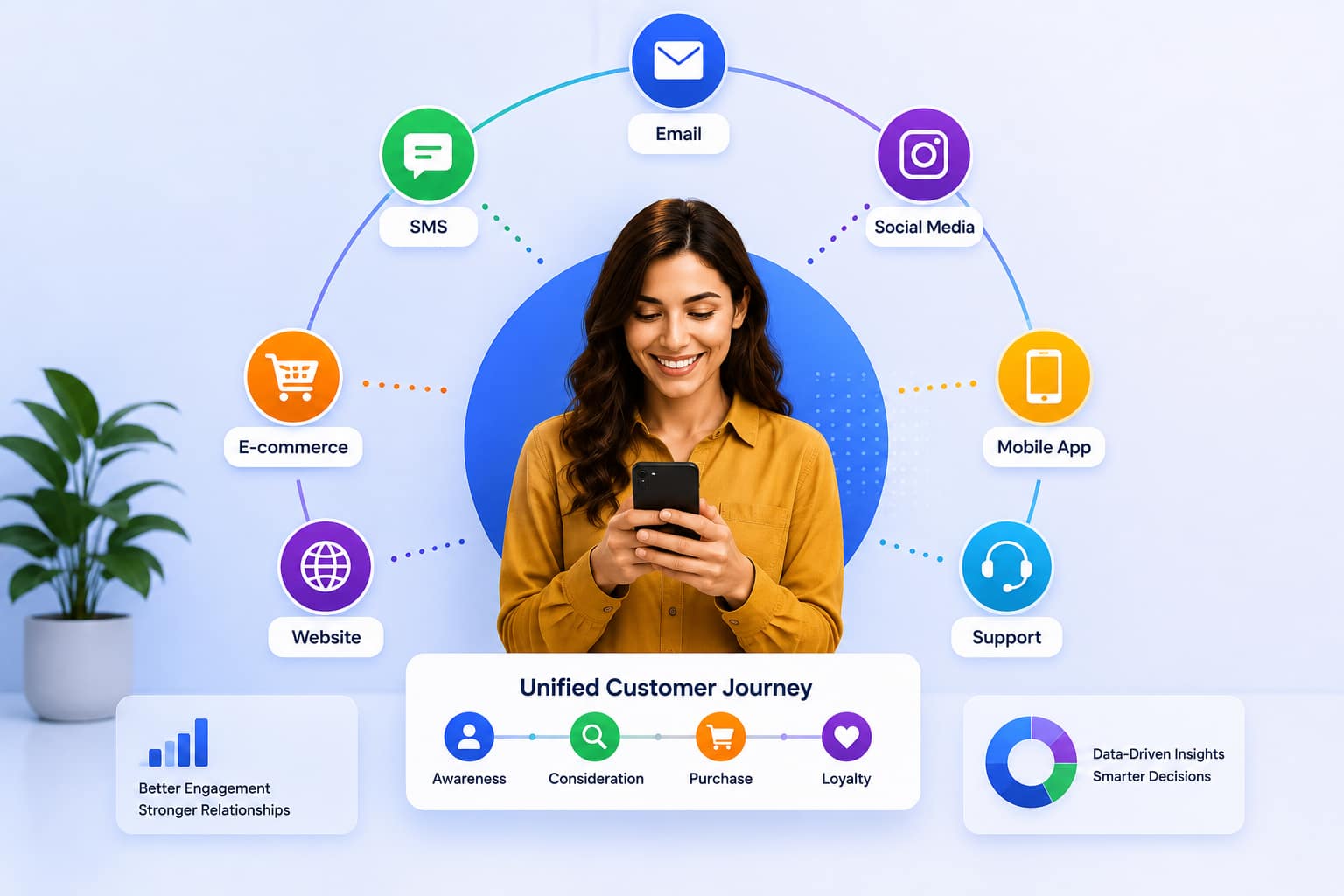
Customers interact with brands through many different channels every day. They may first see a social media post, later visit a website, open an email, and eventually make a purchase through a mobile app. When these interactions feel disconnected, customers often lose interest or become frustrated. This is where omnichannel marketing automation plays an important role.
Instead of treating each channel separately, businesses can create connected experiences that follow customers throughout their journey. With the right automation strategy, every interaction feels more relevant, timely, and consistent. As customer expectations continue to rise, creating a smooth experience across multiple touchpoints has become a key part of long-term business success.
What Is Omnichannel Marketing Automation?
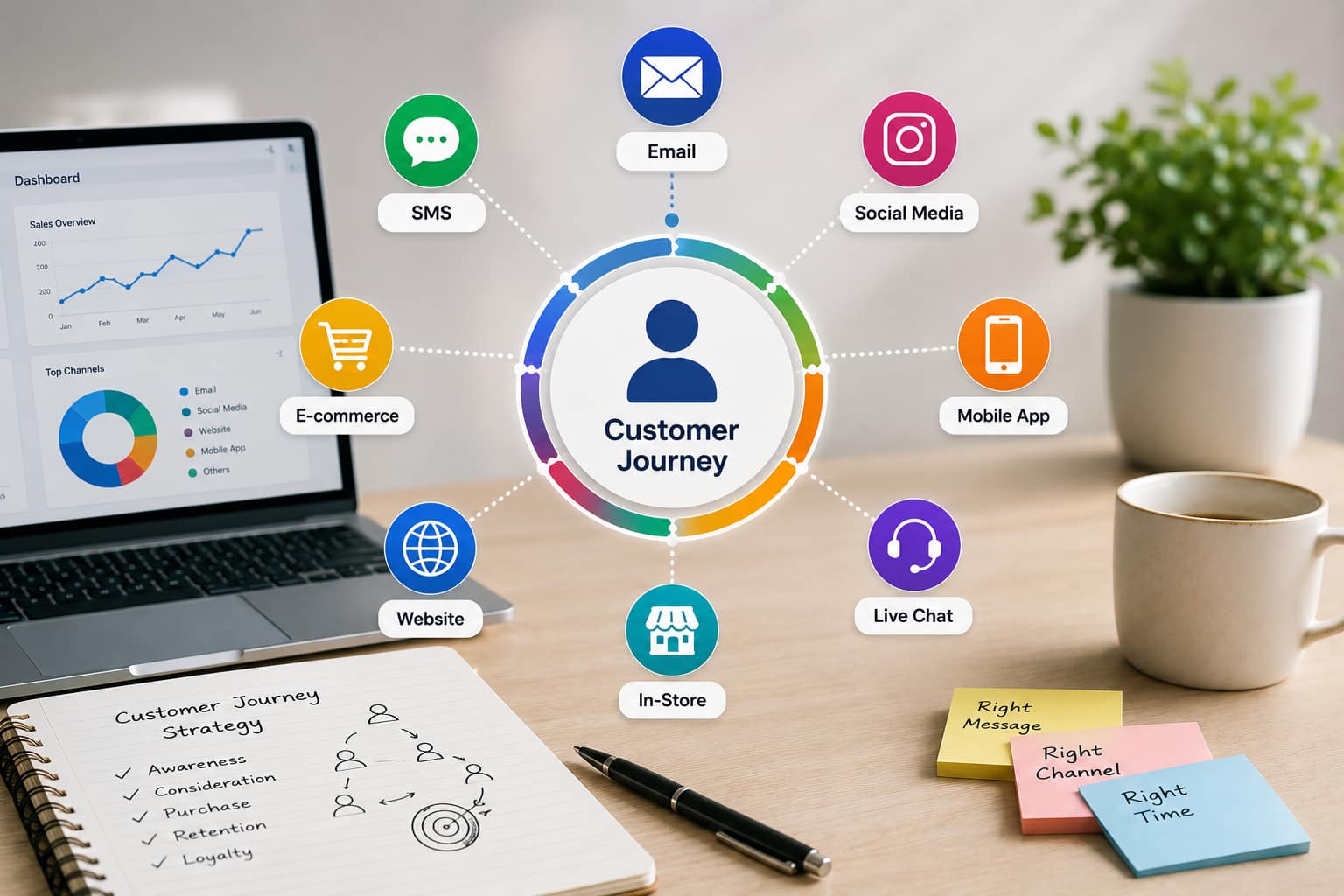
Omnichannel marketing automation is the process of using technology to coordinate customer interactions across multiple channels from a single system. These channels may include email, websites, social media, mobile apps, SMS, and customer support platforms.
Unlike traditional marketing approaches that operate in silos, omnichannel automation ensures that customer data and interactions are connected. If a customer clicks on an email and then visits a website, the system recognizes that activity and adjusts future communications accordingly. This creates a more personalized experience without requiring manual effort for every interaction.
Why Customer Journeys Matter More Than Individual Channels
Many businesses still focus heavily on channel performance. They measure email open rates, social media engagement, or website traffic separately. While these metrics are useful, customers do not think in channels. They expect a smooth experience wherever they interact with a brand.
A customer journey includes every touchpoint from awareness to purchase and beyond. When information is shared across channels, businesses can understand customer behavior more clearly. This helps teams deliver the right message at the right time instead of sending disconnected communications that may feel irrelevant.
How Omnichannel Marketing Automation Creates Better Experiences
A connected system helps businesses respond to customer actions in real time. If someone abandons a shopping cart, they may receive a reminder email. If they return to the website but do not complete the purchase, they could later receive a personalized offer through another channel.
This level of coordination improves the overall experience because customers receive messages that match their current stage in the journey. Rather than repeating the same communication across every platform, automation helps maintain continuity and relevance.
Consistent Messaging Across Platforms
One of the biggest challenges businesses face is maintaining consistency. Customers often receive different messages from different channels, creating confusion and reducing trust.
With omnichannel marketing automation, campaigns can be managed from a centralized system. This helps ensure that branding, messaging, and customer information remain aligned across all touchpoints. The result is a more reliable and predictable experience for customers.
Better Use of Customer Data
Customer data becomes far more valuable when it is connected across channels. Every interaction provides useful insights about preferences, interests, and behavior.
Businesses that combine this information can support a stronger unified customer journey strategy. Instead of making decisions based on isolated data points, they gain a complete view of how customers engage throughout the buying process. This leads to smarter communication and more relevant interactions.
Key Benefits of Omnichannel Marketing Automation
Businesses that successfully implement omnichannel strategies often experience several important advantages:
- More personalized customer experiences
- Consistent communication across channels
- Faster response to customer behavior
- Improved customer retention and loyalty
- Better visibility into the entire customer journey
- More efficient use of marketing resources
- Stronger alignment between marketing and sales teams
These benefits extend beyond marketing performance. They also contribute to a smoother experience that customers notice and appreciate over time.
Multichannel vs Omnichannel Marketing: Understanding the Difference
The discussion around multichannel vs omnichannel marketing often creates confusion. While both approaches use multiple channels, they operate differently.
Multichannel marketing focuses on being present in several places. A business may use email, social media, and a website, but each channel often functions independently. Customer interactions may not be connected from one platform to another.
Omnichannel marketing focuses on integration. Information flows between channels so the customer receives a continuous experience regardless of where they interact. Automation strengthens this approach by coordinating communications and actions automatically. This difference is often what separates a fragmented journey from a seamless one.
The Role of Data Integration in Customer Journeys
Data integration sits at the center of successful omnichannel strategies. Without connected data, automation cannot accurately respond to customer behavior across different channels.
Businesses often rely on a strong Data Management Strategy to organize customer information and ensure data remains accurate. When systems communicate effectively, marketing teams can build journeys that reflect real customer activity rather than assumptions. This foundation supports more meaningful interactions and better long-term results.
How to Integrate Marketing Channels Effectively
Organizations frequently ask how to integrate marketing channels without creating unnecessary complexity. The process starts with identifying all customer touchpoints and understanding how data moves between them.
The next step is selecting systems that can share information efficiently. Customer relationship management platforms, analytics tools, and automation software should work together rather than operate independently. Integration does not happen overnight, but a phased approach often produces stronger and more sustainable results. Businesses that focus on customer experience first usually see the greatest value from their efforts.
Looking Ahead: Omnichannel Marketing Tools 2026
As technology continues to evolve, omnichannel marketing tools 2026 are expected to place even greater emphasis on real-time personalization and predictive insights. Automation platforms are becoming more capable of understanding customer intent and adapting communications accordingly.
Future developments will likely focus on making customer experiences even more seamless. Businesses will continue seeking ways to reduce friction, improve engagement, and maintain consistency across an increasing number of digital touchpoints. The core goal, however, will remain the same: creating experiences that feel connected and relevant.
Conclusion
Customer expectations have changed significantly over the past decade. People want seamless interactions regardless of where they engage with a business. Omnichannel marketing automation helps meet these expectations by connecting channels, improving data usage, and creating more consistent experiences throughout the customer journey.
As organizations continue refining their customer engagement strategies, a connected approach will become increasingly important. The focus is no longer simply being present on multiple platforms but ensuring those platforms work together to support meaningful customer experiences. This is a principle that many modern marketing teams, including those at SandStream Marketing, continue to recognize as customer journeys become more complex.
Ready to unify your customer journeys with omnichannel marketing automation? Get a free strategy consultation with SandStream Marketing and discover how to connect your channels, improve engagement, and increase conversions.