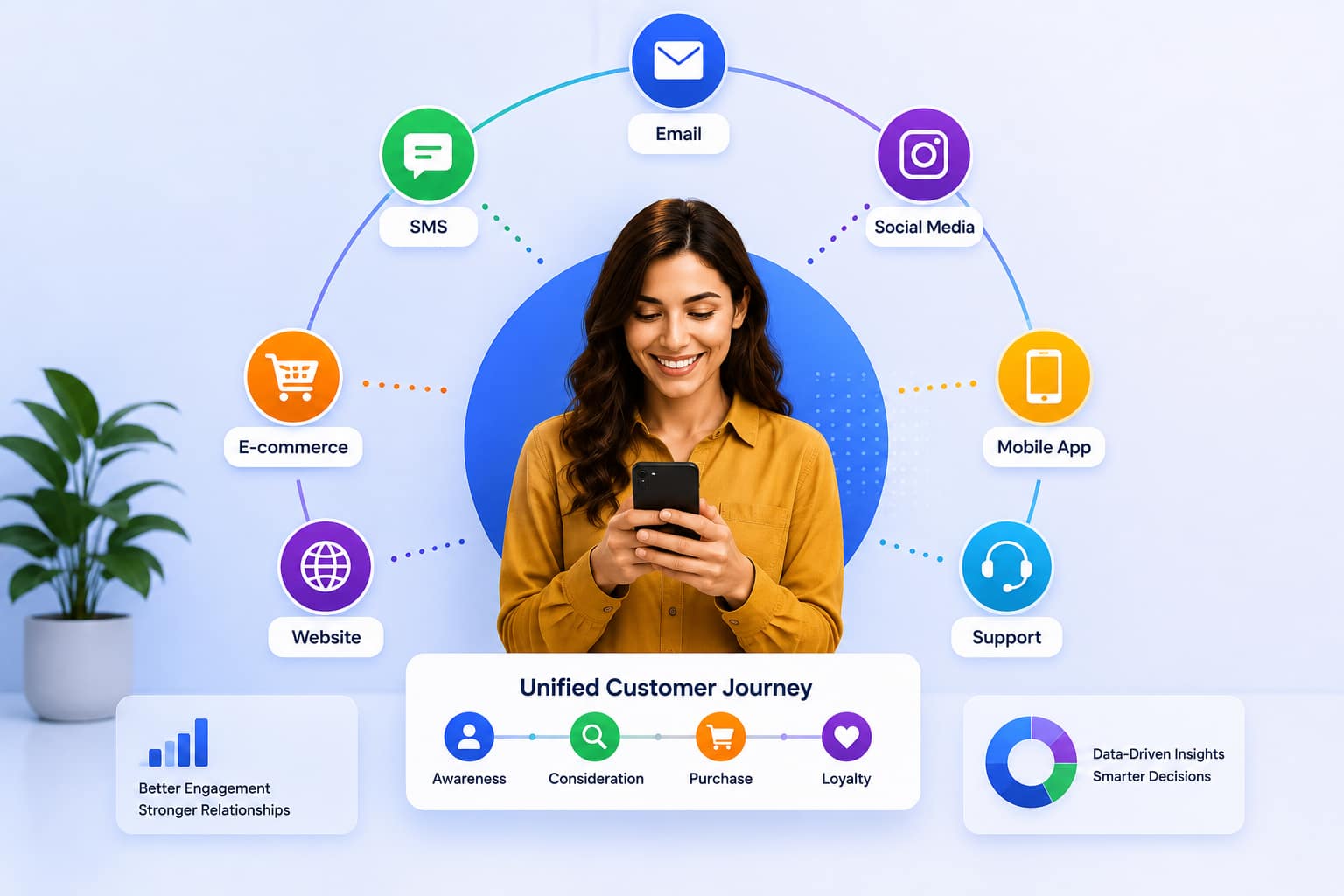
Marketing has changed a lot in the last few years. Earlier, businesses used the same advertisements, emails, and promotional messages for everyone. But now, customers expect brands to understand what they like and what they actually need. People usually ignore random advertisements because they see too much content online every day. They pay more attention to messages that feel useful, relevant, and connected to their interests. This is one of the main reasons why AI personalization in marketing has become such an important part of modern digital marketing.
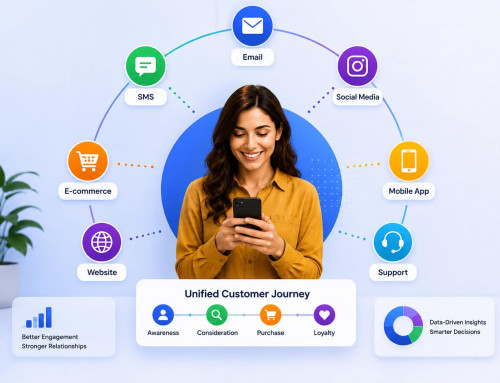
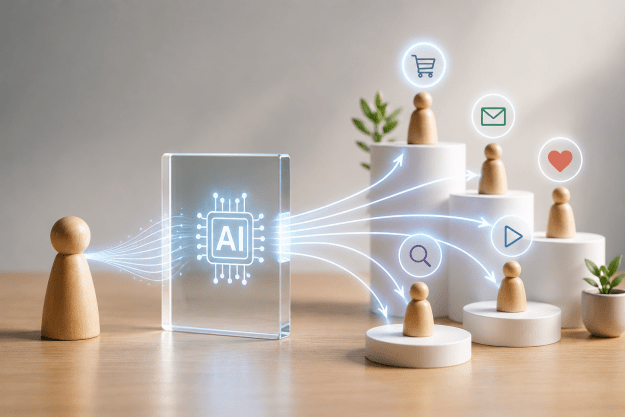
Artificial intelligence helps businesses understand customer behavior in a smarter way. It studies things like browsing activity, search history, online purchases, and customer interactions to create more personalized experiences. Instead of showing the same content to every user, businesses can now create targeted campaigns for different audiences. This not only improves customer engagement but also makes marketing feel more natural and less repetitive for users.
Why Personalization Matters in Modern Marketing
Customers today want better online experiences. Whether they are shopping online, watching videos, or checking emails, they expect platforms to show content that matches their interests. Generic advertisements often fail because they do not feel relevant to the customer. Personalization helps businesses provide content that feels more useful and timely, which increases the chances of customer interaction and engagement.
This is where AI-driven customer experience becomes valuable for businesses. AI systems can quickly study customer behavior and identify patterns that would normally take humans much longer to understand. For example, AI can identify what type of products a customer usually searches for, what time they are active online, and what kind of content they interact with most. Businesses can then use this information to create smarter campaigns and better customer communication.
How AI Improves Marketing Campaigns
AI has completely changed the way businesses create marketing campaigns. Traditional marketing methods usually depended on basic audience categories such as age, gender, or location. While those methods still exist, AI allows businesses to go much deeper by understanding customer behavior and interests more accurately. This helps marketers create campaigns that feel more personalized instead of broad and generic.
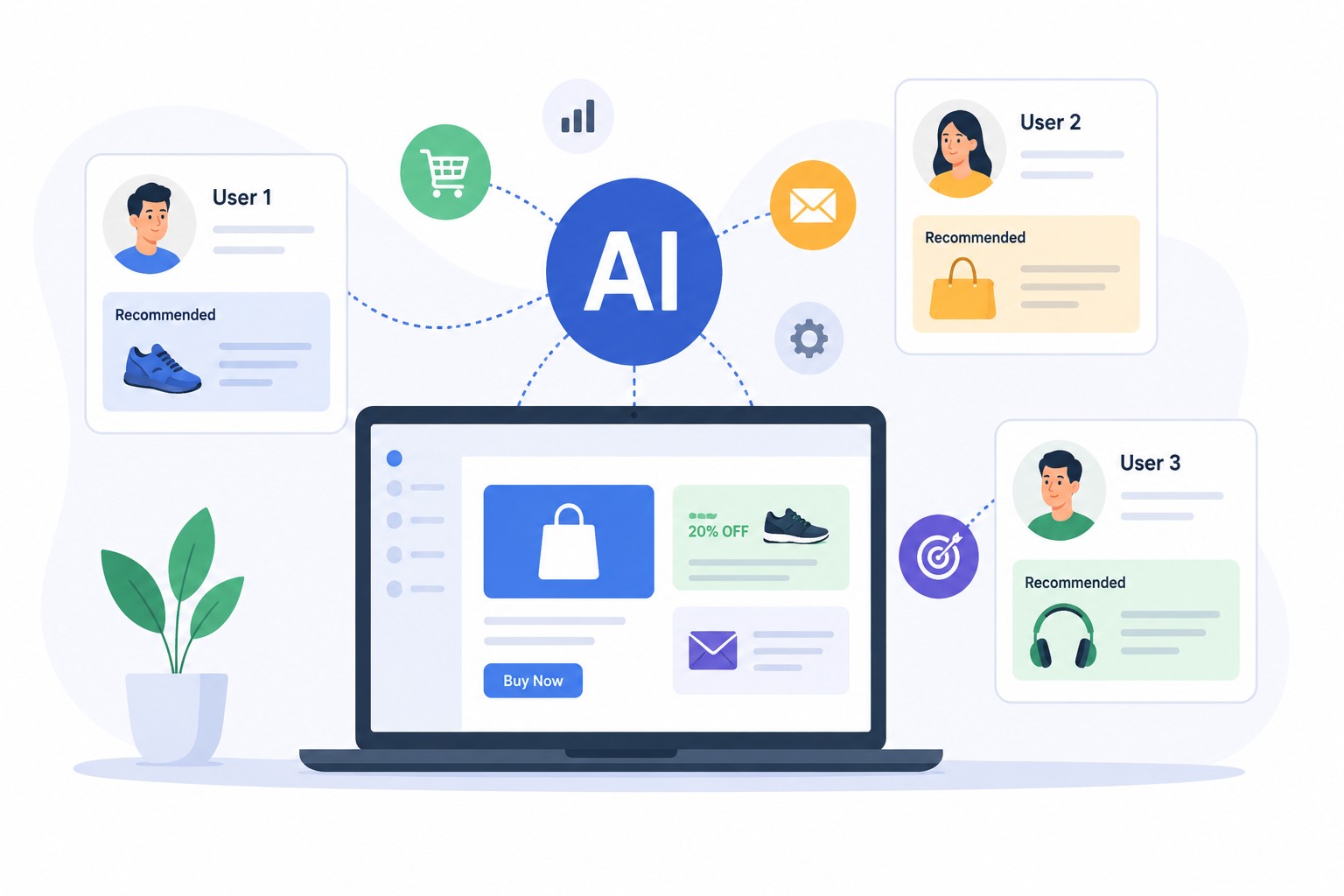
For example, if a customer regularly searches for fitness-related products, AI systems may automatically recommend sportswear, supplements, workout equipment, or health-related content. Streaming platforms also use AI to recommend movies and shows based on viewing history. Online stores suggest products connected to recent searches or previous purchases. These personalized recommendations improve customer experience because users spend less time searching for things they may already like.
Common Ways Businesses Use AI Personalization
- Personalized product recommendations
- Automated email campaigns
- AI chatbots with custom responses
- Dynamic website content for users
- Customer behavior prediction
- Personalized ads across digital platforms
These methods are widely used in hyper-personalization digital marketing because businesses now focus more on customer-specific experiences instead of one-size-fits-all marketing.
The Importance of Customer Data
Customer data is one of the most important parts of AI personalization. Every interaction a customer makes online gives businesses useful insights into customer preferences. Search activity, website clicks, shopping history, and engagement patterns all help AI systems understand what customers are interested in. The more relevant the data, the more accurate and useful the personalization becomes.
At the same time, businesses also need to handle customer information responsibly. Customers want personalized experiences, but they also care about privacy and data security. Companies that collect unnecessary information or fail to protect customer data may lose customer trust. This is why many businesses now focus more on collecting first-party data directly from their own websites and platforms instead of depending heavily on outside sources.
Real-Life Examples of AI Personalization
AI personalization is already part of daily online experiences for millions of people. Streaming services recommend movies and series based on what users watch regularly. E-commerce websites suggest products connected to browsing history or past purchases. Music applications create playlists based on listening habits and favorite genres. These systems make online experiences feel smoother and more personalized for users.
Email marketing has also improved significantly with the help of AI. Businesses can now identify the best time to send emails depending on when customers are most active. AI tools can also adjust email subject lines, content, and offers based on customer interests. Many businesses use platforms connected with AI Tools for Digital Marketing to improve campaign performance, automate tasks, and manage customer targeting more efficiently across different channels.
Benefits of Smart Hyper-Personalized Campaigns
Hyper-personalized campaigns provide benefits for both customers and businesses. Customers receive more relevant content and product suggestions, while businesses improve customer engagement and conversion rates. When marketing feels more connected to customer interests, people are more likely to interact with advertisements, emails, and recommendations.
Another major advantage is improved efficiency. Businesses using machine learning marketing automation systems can automate repetitive marketing tasks and focus more on strategy and creative planning. AI tools can quickly analyze large amounts of customer data and adjust campaigns in real time. This helps businesses improve campaign performance without manually changing every detail.
Major Benefits of AI Personalization
- Better customer engagement
- Higher conversion rates
- Improved customer loyalty
- Faster campaign optimization
- Reduced manual marketing work
- Smarter audience targeting
These benefits are one reason why businesses across different industries are investing more in AI-powered marketing systems.
Challenges Businesses Need to Handle
Even though AI personalization offers many advantages, businesses still face several challenges while using these systems. One major issue is data quality. AI systems depend heavily on accurate customer information. If the data is outdated or incomplete, businesses may show irrelevant recommendations that reduce customer trust instead of improving the experience.
Another challenge is balancing automation with human communication. Customers still want brands to sound natural and authentic. If businesses rely too much on automated responses and repetitive recommendations, interactions may feel robotic. Smart personalization should improve customer experience without making users feel constantly tracked or overwhelmed with targeted content.
The Future of Personalized Marketing
Personalized marketing is expected to become even more advanced in the coming years. Businesses are moving away from broad audience targeting and focusing more on real-time customer behavior. This shift is already influencing many personalized marketing campaigns 2026 trends across industries such as retail, entertainment, travel, healthcare, and e-commerce.
Voice assistants, smart devices, and connected applications are also creating new personalization opportunities. In the future, AI systems may predict customer needs before users even search for products manually. Video content personalization and real-time recommendations are also expected to grow rapidly. Businesses that adapt to these changes early may create stronger customer relationships and more engaging digital experiences.
Creating a Balanced Personalization Strategy
Good personalization is not only about technology. Businesses also need to focus on customer trust, useful communication, and ethical data practices. The goal should be to make customer experiences smoother and more relevant instead of overwhelming users with excessive targeting and repetitive promotions.
Companies should regularly monitor campaign performance and customer feedback to improve personalization strategies over time. Customer interests and online behavior continue changing, so marketing strategies must also evolve regularly. Businesses that combine AI technology with human creativity and thoughtful communication often create the most effective and natural customer experiences.
Conclusion
Customer expectations are changing quickly, and businesses now need smarter ways to communicate online. This is why AI personalization in marketing continues to grow across different industries. AI helps businesses improve customer experiences, automate communication, and create more relevant campaigns based on customer behavior and interests.
As technology continues improving, personalization will likely become more accurate, predictive, and real-time. Businesses that use AI responsibly while respecting customer privacy may build stronger long-term relationships with their audiences. Many companies, including SandStream Marketing, are closely following these changes as personalized digital experiences continue shaping the future of marketing.
Want to explore AI personalization for your business? Contact SandStream Marketing to discuss a data-driven strategy tailored to your goals.