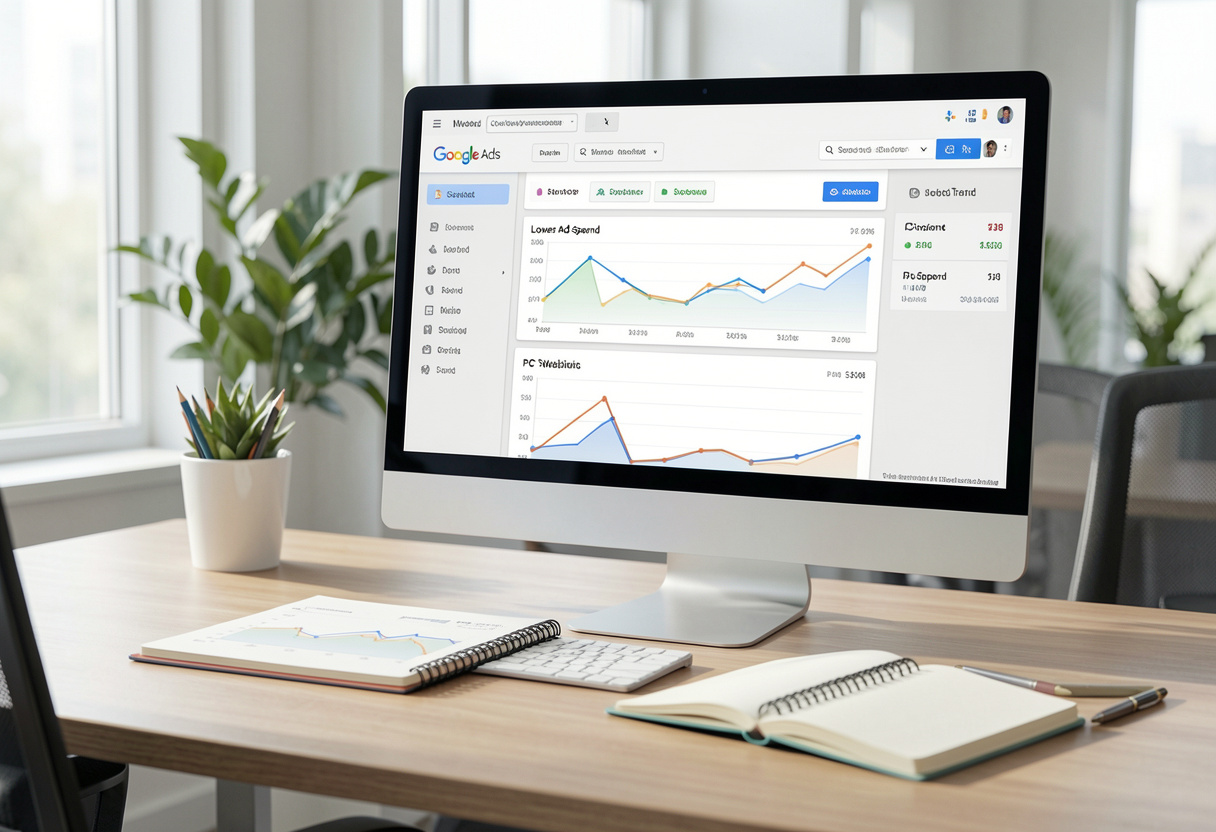
Running ads on Google can quickly become expensive, especially when competition increases and clicks start costing more. The challenge most advertisers face is controlling google ads cost while still keeping steady traffic flowing to their website. The good part is, with the right adjustments, it’s possible to reduce spending without hurting performance or visibility.
Many businesses often wonder how much do Google Ads cost, but the real focus should be on how to manage that cost efficiently over time. Small improvements in targeting, bidding, and ad relevance can make a noticeable difference in overall results.
Understand Where Your Google Ads Cost Goes
Before making changes, it’s important to break down your current spending. Every campaign has different cost drivers such as keyword competition, audience targeting, and ad relevance. When these are not optimized, google ads cost naturally increases without delivering better results.
Checking metrics like cost per click (CPC), conversion rate, and impression share gives a clearer picture of where money is being used effectively and where it is being wasted.
Improve Keyword Strategy for Better Control
Keyword selection plays a big role in google ads pricing. Highly competitive keywords often increase CPC, while more specific keywords can reduce costs while still bringing in quality traffic.
Instead of targeting broad terms, shifting focus toward intent-based search phrases helps improve performance without increasing budget.

Reduce Wasteful Spending with Smarter Targeting
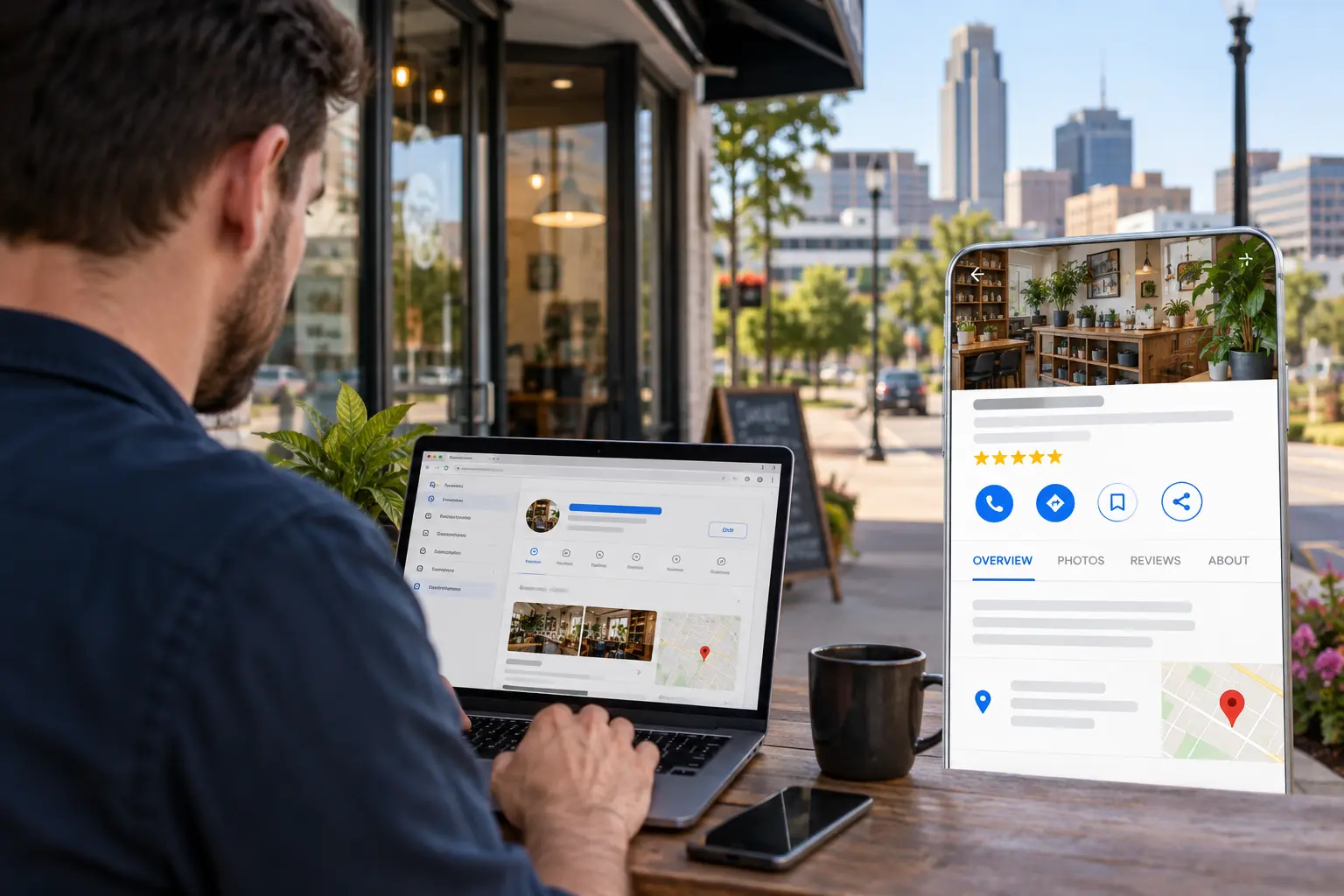
Many advertisers lose budget on irrelevant clicks. Refining audience targeting can help lower PPC spend while maintaining traffic quality. For businesses managing Google Ads Omaha, precise audience targeting can help focus spend on relevant users. This is where structured low cost ppc management becomes useful, as it focuses on eliminating waste rather than cutting reach.
Key actions to reduce waste:
- Remove irrelevant search terms using negative keywords
- Target specific locations and devices
- Focus on audience segments that already convert
- Adjust ad schedules based on peak performance hours
These adjustments help keep campaigns efficient without reducing visibility.
Improve Ad Quality to Lower CPC
Google rewards relevant ads with better placement and lower costs. A strong ad copy, relevant landing page, and higher click-through rate all contribute to reducing google ads cost over time.
Even small changes like improving headlines or aligning ad messaging with landing pages can improve quality score and reduce overall spend.
Use Automation to Control Spending
Campaign management becomes easier when automation is used properly. Tools like Google Ads Automation help adjust bids, pause underperforming ads, and optimize targeting in real time.
This reduces manual effort and ensures campaigns stay cost-efficient without constant monitoring.
Landing Page Impact on PPC Cost
A lot of advertisers ignore landing pages, but they directly affect cost. If users don’t engage after clicking, Google increases your CPC over time. A well-structured landing page improves conversions and indirectly lowers google ads cost by making each click more valuable.
Simple improvements like faster loading speed, clear messaging, and relevant content can significantly improve results.
Monitor and Adjust Regularly
Reducing ad spend is not a one-time task. Campaigns need regular tracking and adjustment. Reviewing performance weekly helps identify patterns early and prevent unnecessary spending.
Keeping an eye on PPC cost, conversion trends, and keyword performance ensures that budgets stay under control while traffic remains stable.
Conclusion
Managing google ads cost effectively is less about reducing budgets and more about improving efficiency. When keyword targeting, ad quality, automation, and landing pages are optimized together, it becomes easier to maintain traffic without overspending. Understanding google ads pricing, improving low cost ppc management, and tracking performance consistently helps build a stable and cost-effective advertising system.
For long-term optimization and structured campaign handling, strategies implemented by SandStream Marketing can help maintain balance between cost and performance without unnecessary complexity.
Want to reduce your Google Ads cost while improving results at the same time? Contact SandStream Marketing to build a smarter, data-driven PPC strategy that maximizes every rupee you spend.