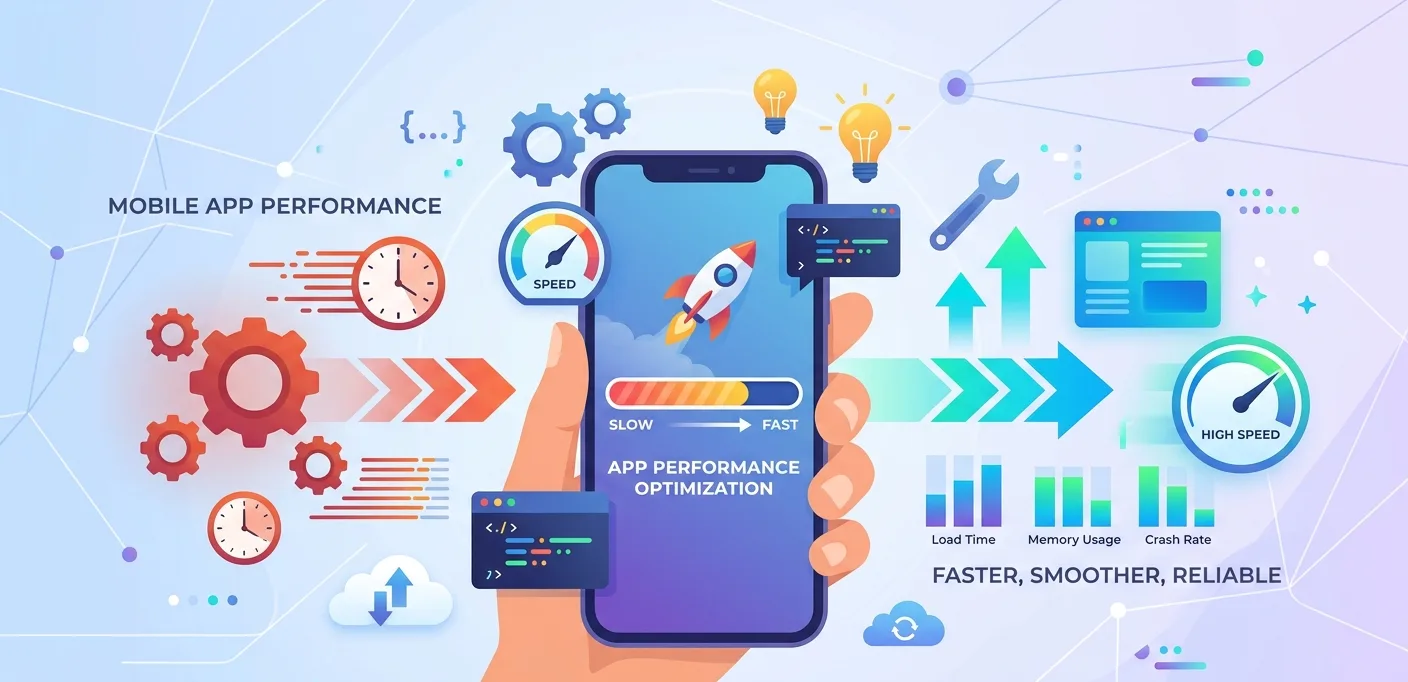
A slow or unstable app can quickly frustrate users and lead to uninstalls. People expect apps to open fast, run smoothly, and respond instantly. If an app lags or crashes, users rarely give it a second chance. That’s why improving speed and stability is not optional-it directly affects retention and engagement. This blog explains practical ways to improve mobile app performance and create a smoother user experience.
Why Performance Matters in Mobile Apps
Users interact with apps in short bursts-while commuting, waiting in line, or multitasking. In these situations, even a small delay feels noticeable. Poor performance often leads to negative reviews, lower ratings, and reduced user trust.
Good mobile app performance ensures quick load times, smooth navigation, and fewer crashes. It also helps reduce battery usage and data consumption, which matters a lot for users on limited resources.
Key Areas That Affect Mobile App Performance
1. App Load Time
The first impression matters. If your app takes too long to open, users may abandon it before even using it. Optimizing the startup process is essential.
Reduce unnecessary background tasks and load only what is required at launch. Features can load gradually after the main interface appears.
2. Efficient Code Structure
Messy or outdated code can slow everything down. Clean, optimized code ensures faster execution and fewer bugs.
Developers working on Mobile Application Development should regularly review and update code to remove unused elements and improve efficiency.
3. Network Usage Optimization
Many apps depend on internet connectivity. Slow APIs or heavy data transfers can hurt performance.
Use compressed data formats, cache responses when possible, and avoid repeated network calls. This improves speed and reduces load on servers.
4. Memory Management
Apps that use too much memory can crash or freeze. Efficient memory usage ensures smooth operation, especially on low-end devices.
Avoid memory leaks and release unused resources quickly. This plays a big role in mobile app optimization.
Practical Ways to Improve App Performance
Here are some effective steps that can make a noticeable difference:
- Reduce app size by removing unnecessary files and assets
- Optimize images and use modern formats like WebP
- Minimize API calls and use caching wherever possible
- Use lazy loading for content that is not immediately needed
- Monitor background processes and limit their usage
- Test the app on different devices and network conditions
- Update libraries and frameworks regularly
These steps may seem simple, but together they significantly improve app performance.
Importance of Mobile App Performance Metrics
Tracking the right data helps identify where issues exist. Without measurement, it’s hard to know what needs fixing.
Some key mobile app performance metrics include:
- App launch time
- API response time
- Crash rate
- Frame rate (for UI smoothness)
- Battery consumption
By analyzing these metrics, teams can make informed decisions and focus on areas that impact users the most.

Role of App Performance Monitoring
Continuous app performance monitoring is essential. Performance can change over time due to updates, new features, or increased traffic.
Monitoring tools help detect issues early, such as slow screens or frequent crashes. This allows teams to fix problems before users notice them.
Real-time monitoring also provides insights into how users interact with the app, helping improve both performance and usability.
Optimizing UI and User Interaction
A visually heavy interface can slow down performance if not handled properly. Smooth animations and responsive design are key to a good experience.
Keep the UI simple and avoid overloading screens with too many elements. Use lightweight animations and ensure transitions are smooth.
Testing UI performance on different screen sizes and devices helps maintain consistency across platforms.
Real-Life Impact of Performance Optimization
Think about popular apps people use daily. They load quickly, respond instantly, and rarely crash. That consistency builds trust.
On the other hand, apps with delays or glitches often get uninstalled within minutes. Even a one-second delay can reduce user satisfaction.
Improving mobile app performance is not just about technical improvements—it directly affects user behavior and business outcomes.
Keeping Performance Consistent Over Time
Performance is not a one-time task. Regular updates, testing, and monitoring are required to maintain quality.
Each new feature should be tested for its impact on speed and stability. Small changes can sometimes create unexpected issues.
A consistent approach to mobile app optimization ensures long-term success and better user retention.
Conclusion
A fast and reliable app creates a positive experience and keeps users engaged. From optimizing code to tracking mobile app performance metrics, every step plays a role in building a smooth app.
By focusing on real user needs and continuously improving performance, businesses can create apps that people enjoy using daily. Many teams, including those at SandStream Marketing, focus on performance as a core part of app strategy to ensure long-term usability and satisfaction.
Want to improve your app’s speed, stability, and overall user experience with a structured optimization approach? Contact SandStream Marketing to enhance your mobile app performance and turn users into long-term, engaged customers.