In today’s competitive digital environment, marketing without data is like flying blind. Companies that market without data tend to waste their ad spend and are unable to measure the actual impact. This is where the role of data-driven marketing becomes critical. With the help of proper data insights, companies can cut their ad spend, reach the right audience, and increase the ROI of their marketing efforts.
Data-driven marketing strategies can help marketers make the right decisions that can deliver actual results.
What Is Data-Driven Marketing?
Data-driven marketing is the process of using customer data, analytics, and performance metrics to inform marketing decisions. Instead of making assumptions, marketing campaigns are based on actual customer behavior, preferences, and conversion data.
Unlike traditional marketing, data-driven marketing involves:
- Measurable outcomes
- Analytics-driven strategy refinement
- Campaign optimization based on performance insights
The end result is more efficient marketing and maximizing every dollar spent on advertising.
Why Data-Driven Marketing Is a Necessity for Today’s Businesses
A The cost of advertising continues to increase across all platforms. Data is essential for businesses as it allows them to:
- Identify which marketing campaigns actually convert
- Avoid wasting money on underperforming ads
- Allocate marketing budgets to high ROI channels
For businesses investing in performance marketing, data-driven marketing ensures that every marketing decision is data-driven, not assumption-driven.
Essential Data Sources for Data-Driven Marketing
For successful data-driven marketing, it is essential to gather information from various sources:
- Website analytics: user behavior, traffic sources, and conversions
- Customer data (CRM): purchase history and engagement data
- Advertising platforms: impressions, clicks, CPA, and ROAS
- Social media insights: audience interests and engagement
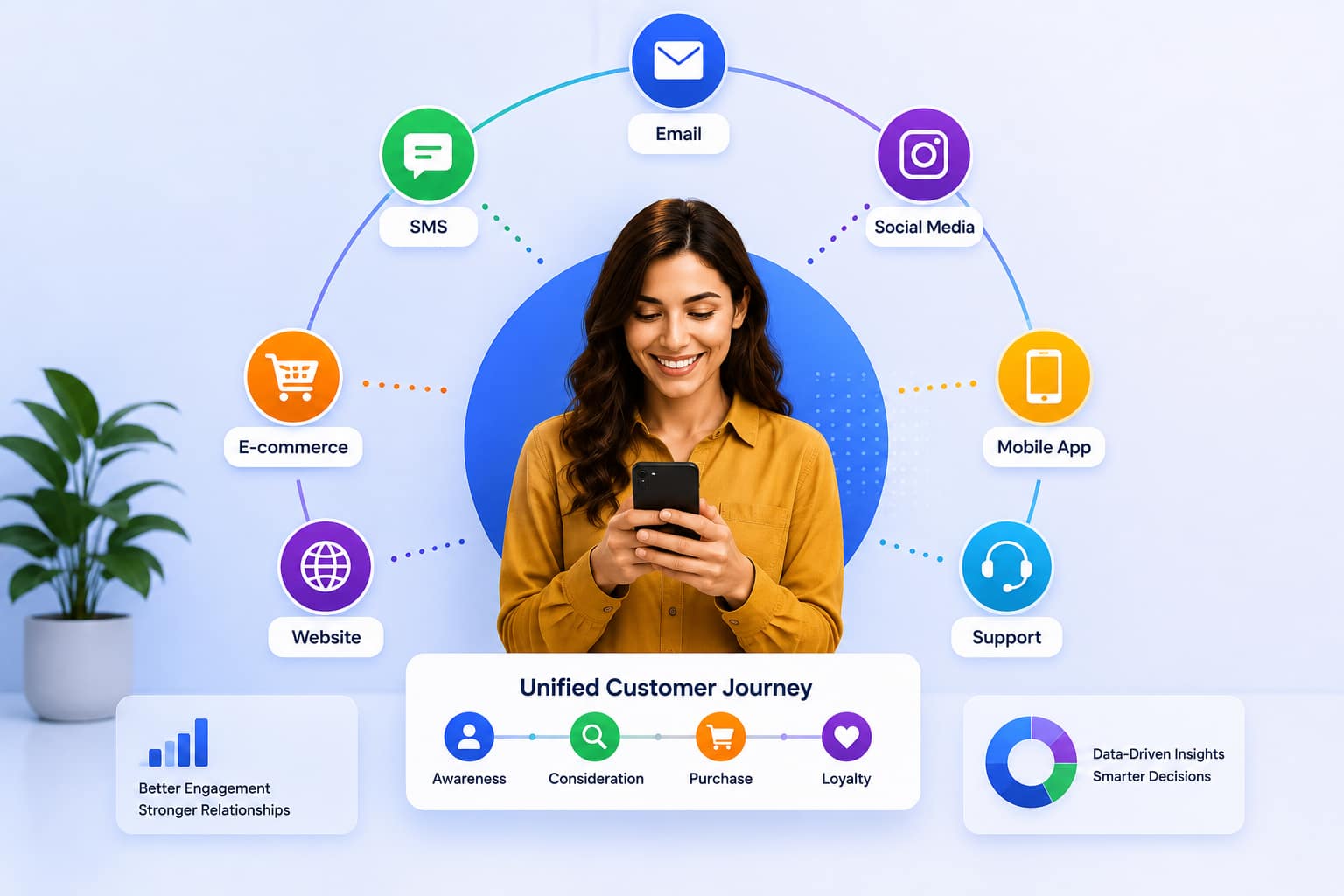
By integrating all these sources, including a robust automotive data services platform, it is possible to get a complete understanding of what is working and what is not.
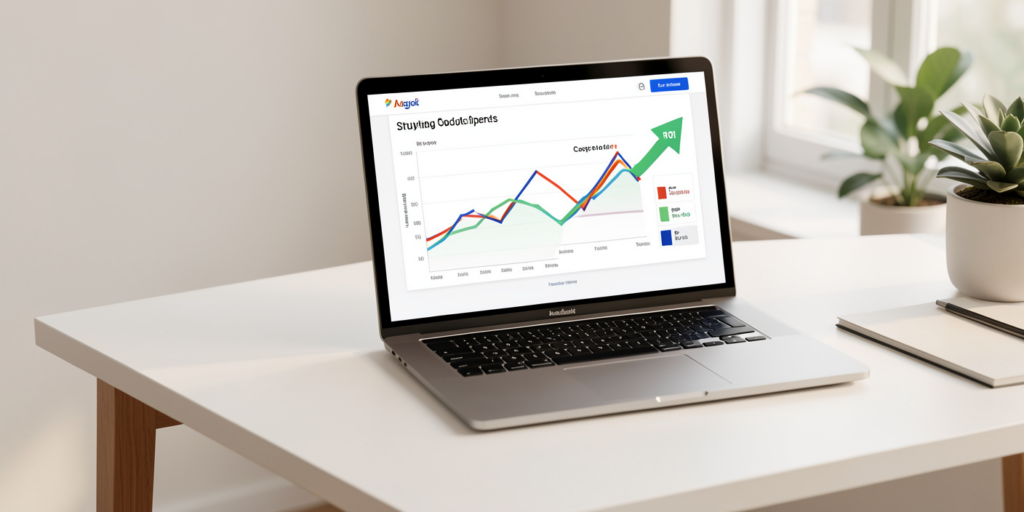
Creating a Successful Marketing Analytics Strategy
A successful marketing analytics strategy begins with clarity. Before analyzing data, it is necessary for businesses to set goals.
The essential steps include:
- Establishing measurable goals (leads, sales, and retention)
- Identifying appropriate KPIs rather than focusing on vanity metrics
- Monitoring performance on a regular basis
- Using data to make improvements
This systematic process ensures that data is used for decision-making and not for creating confusion.
Data-Driven Advertising Methods That Can Reduce Costs
Data-driven advertising enables marketers to reduce waste and enhance accuracy. Some effective methods include:
- Advanced audience segmentation
- Personalized messaging based on user behavior
- Optimizing ad budgets using real-time performance data
- Halting underperforming ads quickly
By targeting only those audiences most likely to convert, brands can dramatically reduce ad budgets without impacting performance.
How Performance Marketing Increases ROI with Data
Performance marketing is a completely data-driven marketing approach. Data is essential to:
- Accurately tracking conversions
- Understanding customer paths
- Optimizing marketing campaigns using attribution models
- Enhancing cost-per-acquisition over time
With ongoing testing and optimization, marketers can have complete control over their marketing ROI.
Leveraging Data for Enhanced Marketing ROI
For enhanced marketing ROI, data needs to be leveraged on a constant basis and not sporadically. Effective marketers:
- Identify the most successful marketing channels
- Allocate more budgets to high ROI marketing campaigns
- Tailor marketing messages according to engagement data
- Test creatives and marketing offers on a periodic basis
By adopting this continuous process of optimization, marketers can achieve better results with reduced risks.

Importance of Data Strategy Services in Business Expansion
Most businesses face challenges in dealing with complex data. This is where the importance of professional Data Strategy Consulting Services Omaha NE comes into play.
- Skilled data strategists assist businesses in:
- Developing scalable data infrastructure
- Integrating marketing data with business objectives
- Enhancing accuracy in business reporting and decision-making
For businesses in Omaha, a localized data strategy ensures that marketing campaigns are in sync with the regional market and customer behavior.
Common Pitfalls in Data-Driven Marketing
Even data-driven teams can go wrong. Some pitfalls include:
- Data collection without a specific goal
- Using incorrect or stale data
- Disregarding insights based on internal biases
- Not linking data to revenue objectives
It is essential to avoid these pitfalls to succeed in the long run.
Best Practices for Successful Data-Driven Marketing
To achieve the best outcomes:
- Prioritize insights over data
- Ensure data accuracy and integrity
- Sync marketing, sales, and analytics teams
- Ongoing testing and optimization of strategies
These best practices help achieve better decision-making and sustainable ROI improvement.
Conclusion
Data-driven marketing assists in minimizing ad spend and optimizing marketing ROI by making more informed decisions. With the right approach to analytics, brands can concentrate on what really works and cut wasteful spending.
Are you ready to leverage data-driven strategies that deliver tangible results? At Sandstream, we help businesses turn insights into performance and growth. Contact Us to begin with a more informed approach to marketing.